Backstage content that doesn't feel like an afterthought
The best behind-the-scenes images feel connected to the campaign instead of looking like leftovers from a different shoot.
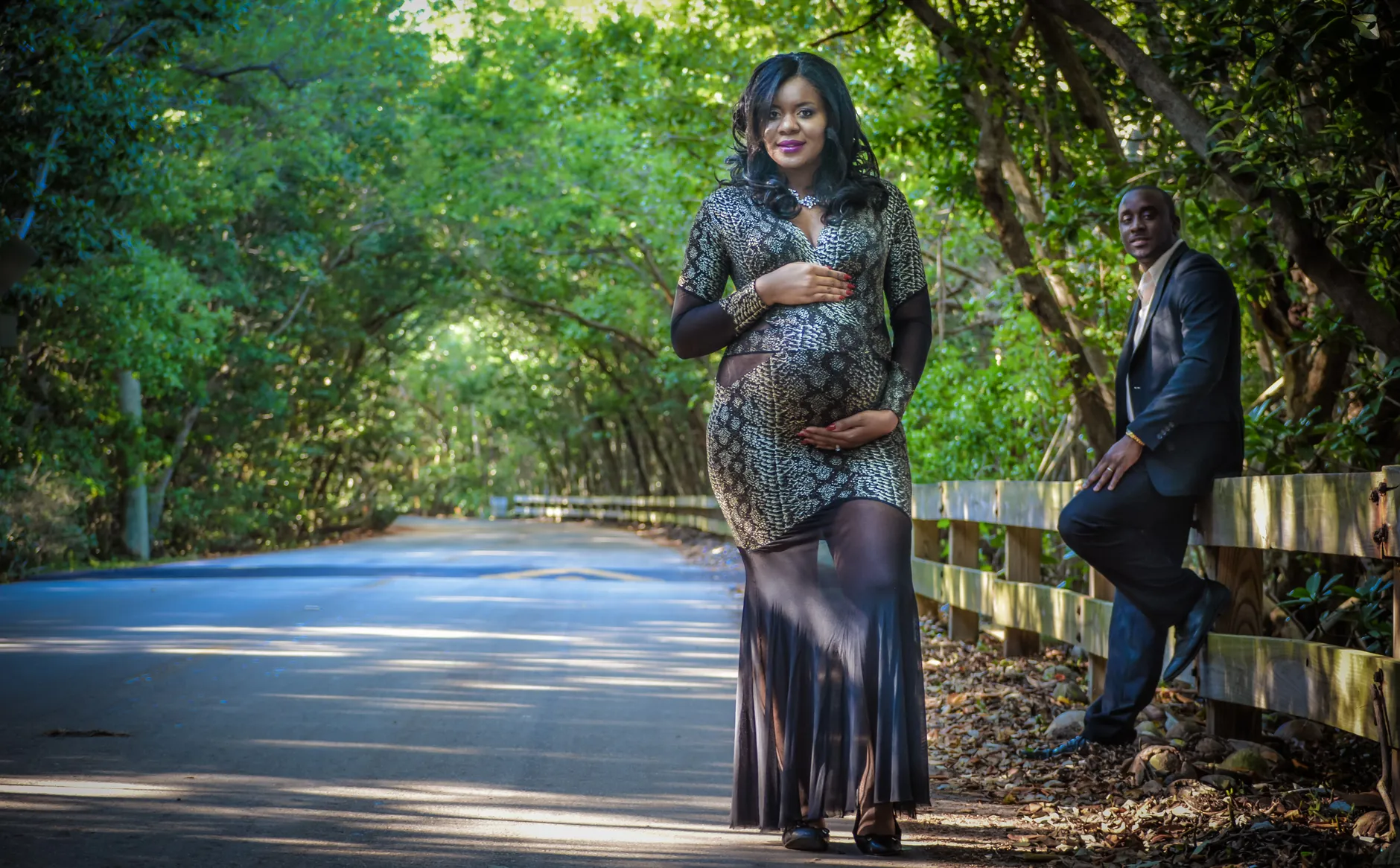
Backstage content works best when it feels intentional enough to sit beside planned visuals. It should add texture to the story, not look like filler between stronger frames.
Look for transitions, not downtime
The most useful backstage moments usually happen in transitions: tuning up, resetting, waiting on lights, checking wardrobe, or stepping off stage. Those moments carry tension and context.
Keep the visual language consistent
If the campaign is moody, polished, or stripped back, the backstage coverage should echo that. The content can be candid without feeling random.
That consistency is what makes a rollout feel cohesive instead of stitched together from unrelated days.
Work with us
Serving Seattle & Bellevue, WA
Need events photography for your next project? We cover venues, artists, events, and portraits across Seattle, Bellevue, and the greater Eastside. Inquiries answered within 24 hours.
Brand Visuals Newsletter
Get visual tips in your inbox
Enjoyed this entry? Join our newsletter to receive visual brand strategies, prep checklists, and local Seattle & Bellevue photography resources. Sent twice a month, unsubscribe anytime.
More from the journal
Related events entries
June 9, 2026
When to post event photos after the room clears
The timing of an event recap changes how much attention the gallery gets. Here is how we think about delivery.
April 10, 2026
How to build a fast-turnaround recap without looking rushed
Speed matters after a live event, but the recap still has to feel deliberate enough to represent the room well.
December 19, 2025
Why event photo needs a clear shot list even when the night is loose
Flexible coverage still benefits from a priority list, especially when there are sponsors, talent, hosts, or details that cannot be missed.